Indian and Pakistani Traditional Spices in Dubai
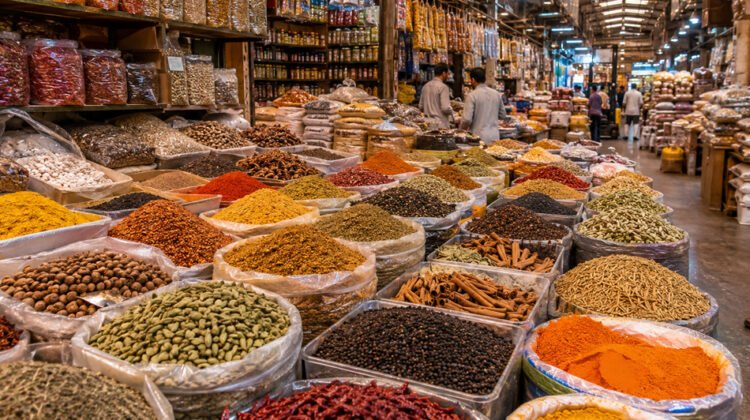
Indian and Pakistani traditional spices are an essential part of Dubai’s diverse food culture. From aromatic biryani and rich meat curries to spicy vegetable dishes and flavourful street food, these spices bring colour, fragrance, warmth, and depth to countless recipes.
Dubai is home to a large multicultural population, including Indian, Pakistani, Bangladeshi, Sri Lankan, and other South Asian communities. As a result, the demand for high-quality traditional spices in Dubai remains strong among households, restaurants, catering companies, hotels, cafeterias, supermarkets, and food manufacturers.
Understanding the characteristics and uses of different spices can help buyers select the right products for authentic cooking. Whether you need whole spices, ground spices, or blended masalas, freshness and consistent quality are important for achieving the desired taste and aroma.
The Importance of Spices in Indian and Pakistani Cuisine
Spices are not simply added to make food hot. In Indian and Pakistani cooking, every spice has a specific role. Some spices provide heat, while others add colour, sweetness, earthiness, freshness, or a deep roasted aroma.
Traditional recipes often begin by heating whole spices in oil or ghee. This process releases their natural fragrance and creates a flavourful foundation for the dish. Ground spices may then be added at different stages to develop layers of taste.
The correct balance of spices can transform simple ingredients such as rice, lentils, vegetables, chicken, or meat into a complete and satisfying meal. This is why professional kitchens and home cooks carefully select their spices and store them properly.
Popular Indian and Pakistani Spices Available in Dubai
Turmeric Powder
Turmeric powder is one of the most widely used traditional spices in Indian and Pakistani cuisine. It gives curries, rice dishes, lentils, and vegetables a warm golden colour and a mild earthy flavour.
Turmeric is commonly used in chicken curry, daal, vegetable dishes, marinades, pickles, and biryani preparations. Only a small quantity is normally required because its colour and flavour can become strong when used excessively.
Red Chilli Powder
Red chilli powder adds heat, colour, and intensity to food. Different varieties can provide different levels of spiciness, allowing cooks to select a mild chilli powder for colour or a stronger variety for heat.
It is frequently used in curries, karahi, kebabs, marinades, chutneys, lentils, and spicy rice dishes. Restaurants purchasing chilli powder in Dubai should look for consistent colour, heat level, texture, and freshness.
Coriander Powder
Coriander powder has a mild citrus-like and earthy flavour. It is an important base spice in many Indian and Pakistani recipes and works well with cumin, turmeric, chilli, and garam masala.
It is commonly added to meat curries, vegetable dishes, lentils, gravies, and spice blends. Whole coriander seeds can also be roasted and ground to produce a stronger aroma.
Cumin Seeds and Cumin Powder
Cumin is valued for its warm, nutty, and slightly smoky flavour. Whole cumin seeds are often fried in oil before onions, tomatoes, or other ingredients are added.
Cumin powder is used in curries, kebabs, raita, chaat, rice dishes, lentils, and marinades. It is also an important ingredient in many traditional masala blends.
Black Pepper
Black pepper provides sharp, warming heat without the strong colour of red chilli. It is available as whole peppercorns, crushed pepper, and finely ground powder.
In South Asian cooking, black pepper is used in soups, meat dishes, kebabs, marinades, rice, eggs, and selected spice blends. Freshly crushed black pepper generally offers a more noticeable aroma than powder stored for long periods.
Green Cardamom
Green cardamom is a highly aromatic spice with a sweet and refreshing flavour. It is widely used in both savoury and sweet recipes.
Cardamom is commonly added to biryani, pulao, korma, tea, milk-based desserts, kheer, halwa, and traditional sweets. Whole cardamom pods are often used during cooking, while the seeds may be ground for desserts and spice mixtures.
Black Cardamom
Black cardamom has a deeper, smokier, and more intense flavour than green cardamom. It is mainly used in savoury dishes that require a rich aroma.
It is popular in meat curries, nihari, biryani, pulao, lentils, and slow-cooked dishes. Because of its strong character, one or two pods may be enough for a large cooking pot.
Cinnamon
Cinnamon adds gentle sweetness and warmth to food. Cinnamon sticks are commonly used in rice dishes, curries, tea, desserts, and spice blends.
In Indian and Pakistani cooking, cinnamon is often combined with cardamom, cloves, bay leaves, and black pepper. Ground cinnamon may also be used in bakery products, beverages, and sweet dishes.
Cloves
Cloves have a powerful warm and slightly sweet aroma. They are generally used whole and added in small quantities.
They are an important ingredient in biryani, pulao, korma, meat curries, tea, and garam masala. Excessive use can overpower other flavours, so careful measurement is recommended.
Bay Leaves
Bay leaves add a mild herbal fragrance to rice, curries, soups, and slow-cooked dishes. They are often added to hot oil together with whole spices at the beginning of cooking.
Bay leaves are particularly popular in biryani, pulao, yakhni, lentils, and meat gravies. They are normally removed before the dish is served.
Mustard Seeds
Mustard seeds have a sharp and nutty flavour that develops when they are heated in oil. They are widely used in pickles, vegetable dishes, lentils, chutneys, and regional Indian recipes.
Black and brown mustard seeds are usually stronger, while yellow mustard seeds are milder. Buyers should choose the variety according to the recipe and required flavour intensity.
Fenugreek
Fenugreek is available as seeds and dried leaves. Fenugreek seeds have a slightly bitter and nutty taste, while dried fenugreek leaves provide a distinctive restaurant-style aroma.
Dried fenugreek leaves, commonly known as kasuri methi, are often added near the end of cooking. They are used in butter chicken, creamy curries, lentils, vegetable dishes, and marinades.
Fennel Seeds
Fennel seeds have a naturally sweet and refreshing flavour. They are used in selected curries, spice blends, pickles, meat dishes, tea, and traditional digestive mixtures.
Fennel works especially well in slow-cooked recipes where its aroma can gradually develop. It may be used whole, crushed, or ground.
Traditional Spice Blends and Masalas
In addition to individual spices, Indian and Pakistani cooking relies heavily on carefully prepared spice blends. Each masala is designed to create a particular flavour profile and simplify food preparation.
Garam Masala
Garam masala is an aromatic mixture that may contain cumin, coriander, black pepper, cardamom, cinnamon, cloves, and other spices. Recipes vary between regions, families, and manufacturers.
It is often added during the final stage of cooking to improve aroma and flavour. Garam masala is suitable for curries, lentils, vegetables, rice dishes, and meat preparations.
Biryani Masala
Biryani masala is created to complement fragrant rice, meat, vegetables, and herbs. It may include cardamom, cinnamon, cloves, cumin, coriander, chilli, black pepper, bay leaves, and other aromatic ingredients.
A balanced biryani masala should enhance the rice and meat without overpowering them. Restaurants may require a consistent blend to maintain the same taste across every batch.
Karahi Masala
Karahi masala is commonly used for chicken, mutton, lamb, and vegetable karahi. It generally combines chilli, coriander, cumin, black pepper, and selected aromatic spices.
The masala works with fresh tomatoes, ginger, garlic, and green chillies to create the bold flavour associated with traditional karahi dishes.
Nihari Masala
Nihari masala is prepared for slow-cooked meat dishes. It usually contains warming spices that complement the rich texture and flavour of beef, lamb, or mutton.
Quality and consistency are particularly important because nihari requires long cooking and a carefully balanced spice profile.
Chaat Masala
Chaat masala has a tangy, salty, spicy, and slightly sour flavour. It is sprinkled over fruit chaat, salads, snacks, fries, yoghurt, chickpeas, and street-food dishes.
Its distinctive taste makes it a popular seasoning in homes, restaurants, cafeterias, and snack outlets throughout Dubai.
Tandoori and Barbecue Masala
Tandoori and barbecue masalas are used for chicken, meat, fish, and grilled vegetables. They are usually mixed with yoghurt, lemon juice, oil, ginger, and garlic to prepare a flavourful marinade.
These blends are popular with restaurants, catering businesses, barbecue outlets, and households looking for convenient seasoning solutions.
Whole Spices Versus Ground Spices
Whole and ground spices serve different purposes in professional and household kitchens. Whole spices generally retain their aroma for longer and are suitable for tempering, slow cooking, roasting, and freshly prepared spice blends.
Ground spices are convenient, easy to measure, and distribute evenly throughout a dish. However, they can lose their fragrance more quickly after opening, especially when exposed to heat, moisture, light, or air.
Many chefs use a combination of both. Whole spices create the base aroma, while ground spices add colour and flavour to the sauce or marinade.
How to Identify Quality Traditional Spices
Choosing high-quality Indian and Pakistani spices in Dubai can improve both taste and cooking consistency. Buyers should consider several factors before purchasing.
- Aroma: Fresh spices should have a clear and noticeable natural fragrance.
- Colour: The colour should be characteristic of the spice and should not appear unusually dull.
- Cleanliness: Whole spices should be free from unnecessary dust, stones, damaged pieces, and foreign materials.
- Texture: Ground spices should have a consistent texture suitable for their intended culinary use.
- Packaging: Properly sealed packaging helps protect spices from moisture, contamination, and loss of aroma.
- Labelling: Product labels should clearly display essential information such as the product name, net weight, origin, packing details, and expiry or best-before information.
- Supplier reliability: Businesses should choose a dependable spice supplier that can provide consistent products and regular stock availability.
Storing Spices in Dubai’s Climate
Dubai’s warm climate makes correct spice storage especially important. Spices should be kept in a cool, dry place away from direct sunlight, steam, moisture, and strong-smelling products.
After opening, spices should be transferred to clean, airtight containers. Restaurant kitchens should avoid keeping large containers close to ovens, cooking ranges, or washing areas.
Using clean and dry spoons can also help prevent moisture from entering the packaging. Businesses purchasing spices in bulk should follow a first-in, first-out stock system to maintain freshness and reduce waste.
Wholesale Spices for Restaurants and Food Businesses
Restaurants, hotels, catering companies, cafeterias, supermarkets, groceries, and food manufacturers often require spices in larger quantities. Buying wholesale spices in Dubai can offer better stock planning and more suitable pricing for commercial operations.
However, wholesale buyers should not select products based on price alone. Consistency is equally important. A change in chilli strength, turmeric colour, coriander aroma, or masala composition can affect the taste of the final dish.
Before placing a large order, businesses should confirm the product specification, packaging size, required quantity, delivery schedule, and storage conditions. Testing a sample can also help determine whether the spice matches the kitchen’s recipe and quality requirements.
Choosing a Spice Supplier in Dubai
A reliable spice supplier in Dubai should understand the requirements of both retail and food-service customers. Regular product availability, hygienic packaging, responsive service, and dependable delivery can make daily operations easier for buyers.
Arham Foodstuff serves the Dubai food market with a selection of food products for commercial and household requirements. Customers looking for Indian and Pakistani traditional spices can contact the company to discuss product availability, wholesale quantities, packaging options, and supply requirements.
Why Traditional Spices Remain Popular in Dubai
Traditional spices connect people with familiar recipes, family traditions, regional cooking styles, and cultural celebrations. They are used every day in home kitchens and professional food businesses across Dubai.
The city’s active restaurant, hospitality, catering, and retail sectors also create continuous demand for authentic South Asian flavours. From a simple daal to an elaborate wedding biryani, spices remain central to the identity and quality of Indian and Pakistani food.
Final Thoughts
Indian and Pakistani traditional spices in Dubai offer an exceptional variety of flavours for households and professional kitchens. Turmeric, chilli, coriander, cumin, cardamom, cinnamon, cloves, black pepper, fenugreek, and traditional masalas all contribute something unique to a recipe.
For the best cooking results, buyers should focus on freshness, cleanliness, proper packaging, consistent quality, and reliable supply. Choosing the right spices allows chefs and home cooks to prepare authentic dishes with the aroma, colour, and taste expected from traditional South Asian cuisine.
For information about spice availability and wholesale foodstuff supplies in Dubai, contact Arham Foodstuff and discuss your specific purchasing requirements.
Frequently Asked Questions
Where can I buy Indian and Pakistani spices in Dubai?
Indian and Pakistani spices are available through foodstuff suppliers, supermarkets, grocery stores, wholesale markets, and specialist spice distributors in Dubai. Commercial buyers should choose a supplier that can provide consistent quality and suitable wholesale quantities.
Which spices are most commonly used in Pakistani cooking?
Common Pakistani spices include cumin, coriander, turmeric, red chilli, black pepper, cardamom, cinnamon, cloves, bay leaves, fenugreek, and garam masala. The exact combination depends on the dish and regional cooking style.
What are the essential spices used in Indian cuisine?
Indian cuisine commonly uses turmeric, cumin, coriander, mustard seeds, chilli, cardamom, cloves, cinnamon, fennel, fenugreek, and various regional masala blends.
Are whole spices better than ground spices?
Whole spices usually retain their aroma for longer, while ground spices are more convenient and easier to distribute throughout a recipe. Many traditional dishes use both whole and ground spices.
Can restaurants buy spices in bulk in Dubai?
Yes. Restaurants, hotels, catering companies, cafeterias, supermarkets, and food manufacturers can purchase spices in bulk from wholesale spice suppliers in Dubai.
How should spices be stored in Dubai?
Spices should be stored in airtight containers in a cool, dry place away from sunlight, heat, steam, and moisture. Proper storage helps preserve their colour, fragrance, and flavour.