What is msg monosodium glutamate
If you have ever enjoyed the rich, savory taste of restaurant food, soups, noodles, sauces, snacks, or Asian dishes, you may already be familiar with MSG. But what is MSG monosodium glutamate, how does it work, and why is it widely used in food preparation around the world?
MSG, short for monosodium glutamate, is a food ingredient used to enhance savory flavor. It is especially known for creating and strengthening umami, commonly described as the fifth basic taste alongside sweet, sour, salty, and bitter. When used correctly, MSG can make many foods taste fuller, richer, and more satisfying without changing their basic character.
This guide explains what monosodium glutamate is, how it is produced, how it works in food, where it is commonly used, and what consumers should know about its safety and proper use.
What Is MSG Monosodium Glutamate?
Monosodium glutamate is the sodium salt of glutamic acid, an amino acid that naturally occurs in many foods. Glutamate can be found naturally in ingredients such as tomatoes, mushrooms, cheese, meat, seafood, and certain vegetables.
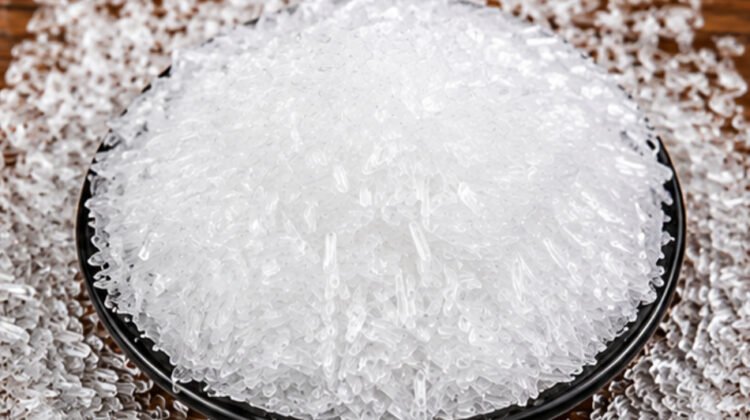
Commercial MSG is generally sold as small white crystals that resemble salt or sugar. When added to savory dishes in appropriate amounts, these crystals dissolve into the food and help intensify its natural umami characteristics.
MSG does not normally create an entirely new flavor. Instead, it works with existing ingredients to make savory flavors more noticeable and balanced.
What Does MSG Stand For?
MSG stands for monosodium glutamate. The word “monosodium” refers to the sodium portion of the compound, while “glutamate” refers to glutamic acid in its ionized form.
When MSG dissolves in food or liquid, it separates into sodium and glutamate. The glutamate interacts with taste receptors on the tongue associated with umami perception.
What Is Umami Flavor?
Understanding MSG becomes easier when you understand umami. Umami is a savory taste naturally associated with foods containing glutamate and certain other compounds.
Foods naturally rich in umami include tomatoes, Parmesan-style cheeses, mushrooms, seaweed, fermented products, meat stocks, seafood, and soy-based foods. These ingredients have long been used by different cuisines to create deeper and more satisfying flavors.
MSG provides glutamate in a concentrated and convenient form, allowing chefs, restaurants, food manufacturers, and home cooks to enhance umami without adding large quantities of other ingredients.
How Is Monosodium Glutamate Made?
Modern food-grade MSG is commonly produced through fermentation. The process is conceptually similar to fermentation methods used to manufacture foods such as yogurt, vinegar, and certain fermented seasonings.
Carbohydrate-containing raw materials provide sugars that microorganisms use during fermentation. Glutamic acid is produced during the process, separated, purified, combined with sodium, and crystallized to create monosodium glutamate.
The finished ingredient is then processed according to relevant food-quality and safety requirements before being packaged for commercial or household use.
Is MSG Naturally Present in Food?
Glutamate itself occurs naturally in many everyday foods. Tomatoes, mushrooms, cheese, meat, fish, vegetables, and fermented foods can contain naturally occurring glutamate.
The human body also produces glutamate because it is involved in normal biological processes. From a taste perspective, the body processes glutamate from MSG in the same general way it recognizes glutamate present naturally in foods.
What Is MSG Used For?
MSG is mainly used as a flavor enhancer. It is particularly useful in savory recipes where cooks want to strengthen depth and umami without overwhelming the original ingredients.
Common applications include:
- Soups and broths
- Noodles and pasta dishes
- Fried rice
- Meat and poultry recipes
- Seafood dishes
- Vegetable preparations
- Gravies and sauces
- Seasoning blends
- Marinades
- Snack foods
- Ready meals and processed foods
- Restaurant and catering recipes
Because MSG is highly concentrated compared with many natural sources of umami, only a relatively small amount is normally required.
How Does MSG Make Food Taste Better?
MSG enhances the perception of umami. When combined with suitable ingredients, it can make food taste more savory, rounded, and satisfying.
For example, adding MSG to a soup may improve the perception of the broth’s existing meat, vegetable, or mushroom flavors. In fried rice, it can complement soy sauce, vegetables, meat, eggs, and seasonings. In marinades and spice mixtures, it can help different flavors work together more effectively.
The goal is balance. MSG should support the recipe rather than dominate it.
Does MSG Taste Like Salt?
MSG and table salt are different ingredients. Salt primarily provides saltiness, while MSG primarily enhances umami and savory taste.
Although MSG contains sodium, its flavor profile is not identical to ordinary sodium chloride. A recipe may use both salt and MSG because they perform different functions.
MSG should therefore not automatically be treated as a one-for-one replacement for salt. Recipe formulation and personal taste should determine the appropriate balance.
Does MSG Contain Sodium?
Yes. Because monosodium glutamate contains sodium, it contributes to total dietary sodium intake. However, MSG contains less sodium by weight than ordinary table salt.
This characteristic has encouraged interest in using MSG as part of some sodium-reduction strategies, because enhancing umami may allow certain recipes to remain flavorful while using less salt. However, the actual sodium level depends on the complete recipe and the quantity of all sodium-containing ingredients used.
Is MSG Safe to Eat?
MSG has been extensively studied and is permitted for food use by regulatory authorities in many countries. Major food-safety organizations generally recognize food-grade MSG as safe when consumed as part of a normal diet and used appropriately.
Some people have reported temporary symptoms after consuming large amounts of MSG, particularly when consumed without food. Individual sensitivity can vary, so anyone who notices a consistent personal reaction may choose to limit intake and discuss concerns with an appropriate healthcare professional.
As with salt, sugar, seasoning powders, and other food ingredients, moderation and correct usage are important.
Common Myths About Monosodium Glutamate
Myth: MSG Is an Artificial Flavor
MSG is better described as a flavor enhancer rather than a flavor such as chicken, beef, or cheese. Its glutamate component is chemically related to glutamate that naturally occurs in many common foods.
Myth: Only Asian Food Contains MSG
MSG is strongly associated with Asian cuisine in popular culture, but its use is not limited to Asian dishes. It can appear in seasoning mixes, snacks, sauces, soups, processed meats, restaurant foods, and many other savory products worldwide.
Myth: MSG Completely Changes the Taste of Food
When used in suitable quantities, MSG normally enhances existing savory characteristics rather than replacing them. Too much seasoning of any type can negatively affect a dish, which is why proper dosage matters.
How to Use MSG in Cooking
MSG can be incorporated during cooking in much the same way as other seasonings. It dissolves easily in dishes containing moisture and can be added to soups, sauces, stocks, rice dishes, marinades, meat recipes, and vegetable preparations.
It is usually best to begin with a small amount, taste the dish, and adjust gradually. The appropriate quantity depends on serving size, recipe type, existing sodium content, and the strength of other seasonings.
For commercial kitchens and food manufacturing, standardized recipes and accurate measurements are particularly important to maintain consistent flavor across every batch.
MSG for Restaurants and Professional Kitchens
Restaurants, catering businesses, hotels, cafés, cloud kitchens, and food manufacturers often require consistency. Customers expect the same taste every time they order a familiar dish.
A standardized MSG specification can help professional kitchens maintain a reliable umami profile while controlling ingredient quantities. It can be particularly useful in large-volume preparation of soups, sauces, stocks, rice dishes, noodles, marinades, meat recipes, and seasoning mixtures.
MSG in Food Manufacturing
Food manufacturers use MSG in many savory formulations because it is stable, concentrated, convenient, and easy to incorporate into dry or wet seasoning systems.
Potential applications include instant noodles, seasoning powders, savory snacks, soup mixes, sauces, frozen foods, meat products, spice blends, and ready-to-eat meals.
Professional manufacturers should always follow applicable food-labeling requirements and local regulations when formulating or selling products containing monosodium glutamate.
How to Choose Good-Quality MSG
For restaurants, wholesalers, distributors, catering businesses, and food processors, selecting reliable food-grade MSG is important. Buyers should consider product purity, packaging integrity, manufacturer documentation, storage conditions, consistency, and compliance with relevant food-safety requirements.
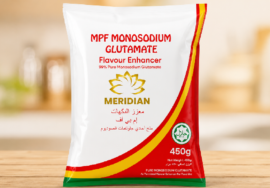
Commercial buyers should also select packaging sizes appropriate for their operation. Smaller packs may be convenient for retail customers, while larger foodservice or wholesale packages can be more economical for high-volume users.
How Should MSG Be Stored?
MSG should generally be stored in a clean, cool, and dry environment. Packaging should remain properly sealed to protect the crystals from moisture and contamination.
Restaurants and food businesses should follow good stock-management practices, including checking package condition, maintaining hygienic storage areas, and following the manufacturer’s storage instructions and expiry or best-before information.
Why Is MSG Popular in Commercial Cooking?
The popularity of MSG comes from its ability to provide strong umami enhancement using a relatively small quantity. For commercial kitchens, this can provide better consistency and more precise flavor control.
It can also complement a wide variety of ingredients rather than being restricted to one specific cuisine. This makes monosodium glutamate useful for Asian, Middle Eastern, Western, fusion, and international food preparation.
Frequently Asked Questions About MSG
What is MSG monosodium glutamate?
MSG is monosodium glutamate, a food ingredient used to enhance savory or umami flavor. It is the sodium salt of glutamic acid, an amino acid naturally found in many foods.
What does MSG taste like?
MSG provides an umami or savory taste. By itself, its flavor is different from ordinary table salt, but when incorporated into food it can strengthen the dish’s existing savory characteristics.
What foods naturally contain glutamate?
Natural sources include tomatoes, mushrooms, cheese, meat, seafood, vegetables, fermented foods, and various other protein-rich or aged ingredients.
Can MSG be used in home cooking?
Yes. MSG can be used in home kitchens as well as restaurants and food manufacturing. It works particularly well in soups, sauces, fried rice, noodles, marinades, meat dishes, vegetables, and savory seasoning blends.
Is MSG the same as salt?
No. Salt mainly contributes saltiness, while MSG mainly enhances umami. Both contain sodium, but they perform different functions in food.
Can restaurants buy MSG in bulk?
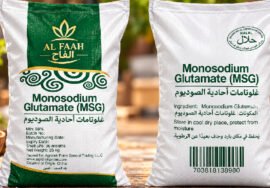
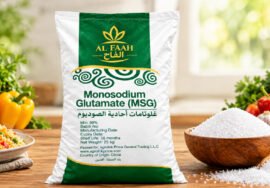
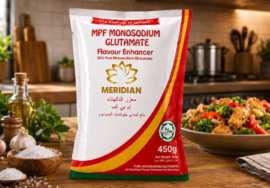
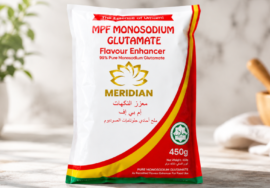
Yes. MSG is commonly available in commercial and wholesale packaging for restaurants, catering companies, distributors, retailers, and food manufacturers. Buyers should choose food-grade products from reliable suppliers and confirm the appropriate specifications for their intended application.
Final Thoughts: Understanding What MSG Really Is
So, what is MSG monosodium glutamate? It is a widely used food-grade flavor enhancer designed to strengthen umami and improve the savory character of food. Its key component, glutamate, is also naturally present in many foods that people consume every day.
From restaurant kitchens and catering operations to household cooking and large-scale food manufacturing, MSG can be a practical ingredient for achieving balanced, consistent, and satisfying flavors. The key is to use an appropriate quantity and combine it thoughtfully with salt, spices, herbs, sauces, and other ingredients.
For food businesses looking for dependable food ingredients and wholesale supply solutions, Arham Foodstuff can support restaurants, traders, retailers, distributors, catering businesses, and other professional buyers with products suited to commercial food operations.