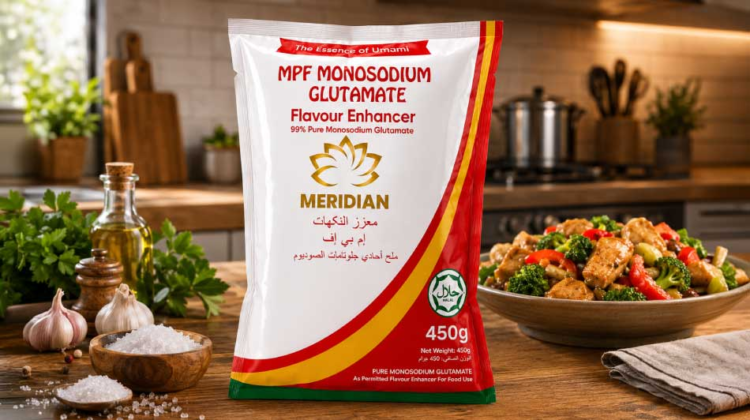
Monosodium Glutamate (MSG): Uses, Benefits, Applications, and Buying Guide
Monosodium Glutamate (MSG): Uses, Benefits, Applications, and Buying Guide
Monosodium Glutamate, commonly known as MSG, is a widely used food ingredient that helps enhance savory taste and improve the overall flavor of many dishes. It is used by restaurants, food manufacturers, catering companies, hotels, commercial kitchens, and households around the world. Because of its ability to strengthen umami flavor, Monosodium Glutamate has become an important ingredient across many cuisines and food-processing applications.
For businesses looking for reliable food ingredients in the UAE, understanding the quality, uses, storage, and commercial applications of MSG can help them make better purchasing decisions. This guide explains what Monosodium Glutamate is, how it works, where it is commonly used, and what buyers should consider when sourcing MSG for restaurants, wholesale distribution, or food manufacturing.
What Is Monosodium Glutamate?
Monosodium Glutamate is the sodium salt of glutamic acid, an amino acid that occurs naturally in many foods. Glutamate is naturally present in ingredients such as tomatoes, mushrooms, cheese, meat, seafood, and certain vegetables. MSG is used as a seasoning ingredient because it enhances umami, one of the five basic tastes alongside sweet, sour, salty, and bitter.
When added in appropriate quantities, MSG does not simply make food taste salty. Instead, it helps strengthen the savory characteristics already present in the dish. This makes Monosodium Glutamate particularly useful in soups, sauces, meat dishes, noodles, snacks, seasonings, and prepared foods.
What Does MSG Taste Like?
MSG is best known for producing an umami taste. Umami is often described as rich, savory, meaty, or satisfying. It can increase the depth of flavor in foods without overpowering the original ingredients.
This is one of the main reasons professional chefs, food manufacturers, restaurants, and seasoning producers use Monosodium Glutamate. When properly balanced with salt, spices, herbs, and other ingredients, MSG can create a more rounded and enjoyable flavor profile.
How Does Monosodium Glutamate Work?
The human tongue contains taste receptors that respond to glutamate. When MSG is added to food, the glutamate interacts with these receptors and enhances the perception of umami. This can make savory dishes taste fuller and more balanced.
MSG is most effective when used as part of a complete seasoning system. It works particularly well alongside salt, spices, meat flavors, vegetables, sauces, and natural food ingredients. The required quantity depends on the recipe, product type, and desired flavor intensity.
Common Uses of Monosodium Glutamate
Monosodium Glutamate is highly versatile and can be used across many food categories. Restaurants and professional kitchens frequently add MSG to soups, broths, sauces, marinades, fried rice, noodles, meat dishes, vegetable preparations, and gravies.
Food manufacturers may use MSG in snack seasonings, instant noodles, spice mixes, stock powders, frozen foods, processed meat products, sauces, ready meals, and other savory food products. Catering companies and commercial kitchens may also use it to maintain consistent flavor across large-volume food preparation.
MSG for Restaurants and Catering Businesses
Restaurants need ingredients that provide consistency, efficiency, and dependable flavor. Monosodium Glutamate can be a useful ingredient for chefs preparing large quantities of food while maintaining a consistent savory taste.
MSG is commonly used in Asian cuisine, Middle Eastern food, soups, rice dishes, meat preparations, sauces, fast food, and international recipes. Professional kitchens should always follow suitable recipes, applicable food regulations, and responsible ingredient usage practices.
MSG for Food Manufacturing
Food manufacturers often require reliable ingredients that can deliver consistent results across large production batches. Monosodium Glutamate is used in many commercial food formulations because it can help strengthen savory flavor and complement other seasoning ingredients.
Manufacturers should select food-grade MSG from reputable suppliers and carefully evaluate product specifications, packaging, labeling, storage requirements, batch consistency, and documentation before placing large commercial orders.
MSG for Wholesale and Distribution
Demand for Monosodium Glutamate comes from restaurants, supermarkets, grocery stores, food factories, catering companies, wholesalers, distributors, hotels, and institutional kitchens. As a result, MSG can be an important product category for foodstuff trading and wholesale businesses.
A professional MSG supplier should be able to provide reliable stock availability, appropriate packaging options, competitive wholesale pricing, clear product information, and efficient delivery. Buyers purchasing MSG in bulk should also consider shelf life, carton configuration, storage space, delivery schedules, and expected monthly consumption.
Benefits of Using Monosodium Glutamate
One of the main benefits of Monosodium Glutamate is its ability to enhance savory taste. It can help create a deeper and more satisfying flavor in many recipes when used appropriately.
MSG can also support consistency in commercial food preparation. Restaurants and food manufacturers often need products to taste similar from one batch to another. Using standardized ingredients and controlled recipes can help businesses achieve more predictable results.
Another advantage is versatility. A single MSG product can be used across multiple applications, including soups, sauces, meat recipes, noodles, rice dishes, seasoning blends, snacks, and prepared foods.
Is Monosodium Glutamate Safe?
Monosodium Glutamate has been evaluated by major food-safety authorities and is permitted for use in foods under applicable regulations in many markets. Businesses should always purchase food-grade MSG from reputable suppliers and comply with the labeling, usage, and food-safety requirements of the country where the product is sold or used.
Some individuals may choose to limit certain food ingredients based on personal preference or dietary needs. Consumers with specific medical or dietary concerns should seek advice from an appropriate healthcare professional.
MSG and Sodium Content
MSG contains sodium, but its composition differs from ordinary table salt. In food formulation, chefs and manufacturers sometimes use MSG as part of a broader seasoning strategy to achieve a satisfying savory taste while carefully managing the complete recipe.
However, MSG should not automatically be considered a replacement for all salt in every recipe. The correct balance depends on the food product, desired taste, preparation method, and nutritional targets.
What Is Umami?
Umami is recognized as one of the basic tastes and is associated with glutamate. Foods naturally rich in glutamate can produce a strong savory sensation. Tomatoes, mushrooms, aged cheeses, meat, seafood, and fermented foods are common examples associated with umami flavor.
Monosodium Glutamate provides glutamate in a convenient seasoning form, making it easier for professional kitchens and food manufacturers to control and standardize umami intensity.
How to Use MSG in Cooking
MSG should generally be used in moderate quantities and balanced with the other ingredients in a recipe. Adding excessive amounts will not necessarily improve the taste of food. The best results usually come from using a controlled quantity alongside salt, spices, herbs, sauces, and natural ingredients.
For commercial applications, businesses should develop standardized recipes and conduct taste testing before finalizing production quantities. This helps ensure consistent flavor and prevents unnecessary ingredient waste.
How to Store Monosodium Glutamate
Monosodium Glutamate should be stored in a cool, dry place away from excessive moisture, heat, and direct sunlight. Once a package has been opened, it should be properly sealed to help maintain product quality.
Commercial users should follow good warehouse practices, check the manufacturing and expiry information on the packaging, and rotate inventory using an appropriate stock-management system. Proper storage becomes especially important when purchasing MSG in wholesale quantities.
What to Look for When Buying MSG
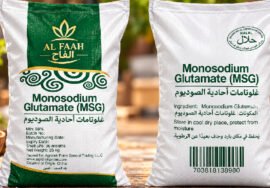
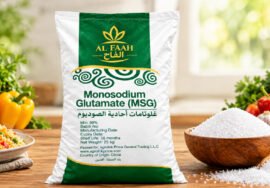
Commercial buyers should consider several factors before purchasing Monosodium Glutamate. Product quality, supplier reliability, food-grade specifications, packaging condition, labeling, country of origin, shelf life, and availability are all important.
For wholesale buyers, price is important, but it should not be the only consideration. Consistent supply, dependable delivery, proper product documentation, and responsive customer service can be equally important for long-term business operations.
Choosing an MSG Supplier in the UAE
The UAE has a large foodservice, hospitality, retail, and food-trading sector, creating demand for reliable ingredients such as Monosodium Glutamate. Restaurants, caterers, wholesalers, supermarkets, and food manufacturers need suppliers who can provide dependable quality and timely supply.
When selecting an MSG supplier in Dubai or elsewhere in the UAE, buyers should look for professional foodstuff companies that understand wholesale requirements, inventory planning, commercial packaging, and business-to-business distribution.
Bulk MSG for Restaurants, Wholesalers, and Distributors
Businesses with high monthly consumption may benefit from purchasing Monosodium Glutamate in bulk. Bulk purchasing can simplify inventory planning and help wholesalers, distributors, restaurants, and manufacturers maintain sufficient stock for regular operations.
Before purchasing large quantities, buyers should calculate expected monthly consumption, available storage capacity, delivery frequency, product shelf life, and required packaging sizes. Good planning helps businesses maintain stock without unnecessarily increasing inventory costs.
Why Reliable Supply Matters
For professional food businesses, ingredient shortages can affect production, customer service, and sales. A reliable MSG supplier can help businesses maintain continuity by providing stable product availability and predictable delivery schedules.
This is particularly important for food manufacturers, restaurant groups, catering operations, wholesalers, and distributors that consume significant quantities every month. Establishing a long-term relationship with a dependable foodstuff supplier can make procurement more efficient.
Monosodium Glutamate for the UAE Food Market
The UAE food market serves a diverse population and includes restaurants and cuisines from around the world. This creates opportunities for ingredients that support Asian, Middle Eastern, African, European, and international food preparation.
MSG is particularly relevant to restaurants, cloud kitchens, cafeterias, catering companies, food factories, seasoning manufacturers, wholesalers, and distributors seeking a versatile savory flavor enhancer for multiple applications.
Buy Monosodium Glutamate from Arham Foodstuff
Arham Foodstuff serves businesses looking for food products and ingredients in the UAE market. Customers searching for Monosodium Glutamate for restaurants, catering operations, wholesale trading, distribution, or commercial food applications can contact Arham Foodstuff to discuss product availability and business requirements.
Whether you require MSG for regular restaurant consumption or larger wholesale quantities, choosing the right supplier can help improve procurement efficiency and maintain consistent product availability. Visit Arham Foodstuff to explore foodstuff supply options and make an inquiry for your commercial requirements.
Frequently Asked Questions About Monosodium Glutamate
What is Monosodium Glutamate used for?
Monosodium Glutamate is used as a flavor enhancer in savory foods. Common applications include soups, sauces, noodles, meat dishes, fried rice, seasoning mixes, snacks, ready meals, and processed foods.
Is MSG the same as salt?
No. MSG and table salt are different ingredients. MSG contains sodium and glutamate and is mainly used to enhance umami flavor, while table salt consists primarily of sodium chloride and provides a salty taste.
Can restaurants use MSG?
Yes, restaurants may use food-grade MSG where permitted by applicable food regulations. It is commonly used in commercial kitchens to strengthen savory flavor and support consistent recipes.
Can MSG be used in food manufacturing?
Yes. Food manufacturers use Monosodium Glutamate in products such as seasonings, soups, sauces, instant noodles, snacks, processed foods, and ready meals, subject to applicable regulations and product formulation requirements.
Where can I buy MSG in the UAE?
Commercial buyers can source MSG through foodstuff suppliers, wholesalers, importers, and distributors operating in the UAE. Businesses should choose suppliers that provide food-grade products, reliable availability, proper packaging, and commercial support.
Can I buy MSG in bulk?
Yes. Bulk MSG is commonly purchased by restaurants, food manufacturers, catering companies, wholesalers, supermarkets, and distributors. Buyers should confirm available packaging sizes, minimum order quantities, pricing, and delivery terms with their supplier.
Conclusion
Monosodium Glutamate is a versatile food ingredient widely used to enhance umami and improve savory flavor. From restaurants and catering kitchens to food factories and wholesale distributors, MSG has applications across many areas of the food industry.
Businesses purchasing MSG should focus on food-grade quality, reliable supply, appropriate storage, competitive commercial terms, and compliance with applicable food regulations. By choosing a dependable supplier and using MSG correctly, food businesses can achieve consistent flavor while supporting efficient commercial operations.