Ajinomoto Monosodium Glutamate
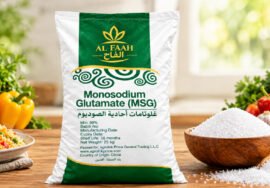
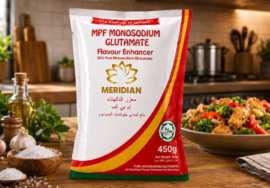
Ajinomoto monosodium glutamate is widely associated with MSG, a popular flavour enhancer used in homes, restaurants, catering businesses and food manufacturing around the world. Monosodium glutamate, commonly known as MSG, is valued for its ability to enhance savoury flavour and deliver the distinctive taste known as umami.
Whether you are a restaurant owner, food distributor, wholesaler, chef or consumer, understanding what monosodium glutamate is, how it is produced and how it is used can help you make informed decisions about this widely used food ingredient.
What Is Ajinomoto Monosodium Glutamate?
AJI-NO-MOTO is a well-known MSG seasoning produced by the Ajinomoto Group. MSG, or monosodium glutamate, is the sodium salt of glutamic acid, an amino acid that occurs naturally in many foods. Glutamate is naturally present in foods such as tomatoes, meat, fish, dairy products and certain vegetables.
MSG is primarily used as a flavour enhancer. When added in appropriate quantities, it strengthens savoury characteristics without simply making food taste salty. This is why monosodium glutamate is widely used across different cuisines and professional food applications.
What Is Umami?
Umami is recognised as one of the five basic tastes alongside sweet, sour, salty and bitter. It can be described as a rich, savoury taste commonly associated with foods such as meat, broth, tomatoes, mushrooms, aged cheese and fermented products.
Glutamate plays an important role in producing the umami taste. When MSG is added to suitable dishes, it activates umami taste receptors and can make the overall flavour profile feel richer, deeper and more balanced.
What Is Monosodium Glutamate Made From?
Modern MSG can be produced through fermentation using plant-based raw materials. Depending on the manufacturer and production location, sources may include sugar cane, sugar beet, cassava or corn. The fermentation process produces glutamic acid, which is subsequently processed with sodium and purified to create monosodium glutamate crystals.
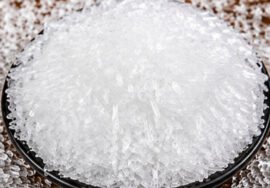
The finished product is typically a white crystalline ingredient that dissolves readily and can be incorporated into numerous food preparations.
How Does MSG Enhance Food Flavour?
Monosodium glutamate does not simply cover the existing flavour of food. Instead, it provides glutamate, which produces an umami sensation and complements the natural savoury characteristics of suitable ingredients.
This makes MSG particularly useful in recipes containing meat, poultry, seafood, vegetables, sauces and stocks. Professional chefs and food manufacturers may use controlled quantities of MSG alongside salt, herbs, spices and other seasonings to develop a balanced flavour profile.
Common Uses of Ajinomoto and MSG
Ajinomoto monosodium glutamate and other food-grade MSG products have applications across household cooking and the professional food industry. MSG can be used in soups, broths, sauces, gravies, marinades, meat preparations, vegetable dishes, noodles, rice dishes and selected processed foods.
Restaurants and catering businesses may use MSG as part of their seasoning systems to maintain consistent flavour across large batches of food. Food manufacturers can also incorporate monosodium glutamate into suitable formulations where a stronger savoury or umami profile is required.
MSG for Restaurants and Catering Businesses
Consistency is particularly important in professional kitchens. Restaurants prepare the same dishes repeatedly, while catering companies may need to serve hundreds or thousands of meals. Carefully measured seasonings help kitchens maintain a consistent taste from one batch to another.
Food-grade monosodium glutamate can therefore be useful for restaurants, hotels, cloud kitchens, cafeterias, central kitchens and catering operations. Correct quantities depend on the particular recipe, ingredients and applicable food regulations, so professional users should develop and standardise recipes rather than adding MSG without measurement.
Monosodium Glutamate in Food Manufacturing
MSG is also used commercially as a flavour enhancer. Depending on the formulation, manufacturers may use it in seasoning blends, sauces, soups, savoury snacks and other processed food products.
Industrial buyers generally require consistent specifications, reliable supply, suitable packaging, traceability and compliance with applicable food regulations. Manufacturers should always follow the food-additive and labelling requirements of the country in which a product is produced or sold.
Is Monosodium Glutamate Safe?
MSG has been extensively evaluated by food-safety authorities. The United States Food and Drug Administration lists monosodium glutamate among substances used in food and identifies its technical effect as including flavour enhancement. The European Food Safety Authority has also evaluated glutamic acid and glutamates used as food additives.
Safety guidance can differ between regulatory authorities and jurisdictions. EFSA established a group acceptable daily intake for glutamic acid and glutamates, while other international assessments have historically taken different approaches to acceptable intake. Consumers and food businesses should therefore follow local regulations and relevant professional dietary advice.
Some individuals report short-term symptoms after consuming MSG, particularly in larger quantities, although research has not established a clear relationship between MSG and such symptoms under typical consumption conditions. Anyone who consistently experiences symptoms after consuming a particular ingredient should seek appropriate medical guidance.
Does MSG Contain Sodium?
Yes. Monosodium glutamate contains sodium, as indicated by its name. However, MSG contains less sodium by weight than ordinary table salt. This has led to interest in using MSG as part of certain sodium-reduction strategies, where some salt is replaced while maintaining an acceptable savoury taste.
This does not mean that MSG is sodium-free or that it should automatically replace salt in every recipe. Food formulation should consider the total sodium content of all ingredients and the nutritional requirements of the intended product.
MSG and Naturally Occurring Glutamate
Glutamate is not exclusive to manufactured MSG. It occurs naturally in numerous foods, including tomatoes, cheese, meat and other protein-containing foods. Fermentation and ageing can also increase the amount of free glutamate available to contribute to umami flavour.
The glutamate component of MSG and naturally occurring glutamate participate in the same basic taste sensation. This helps explain why adding a relatively small amount of MSG to an appropriate dish can reinforce flavours that are already naturally present.
Ajinomoto vs Monosodium Glutamate
Ajinomoto and monosodium glutamate are sometimes used interchangeably in everyday conversation, but they are not exactly the same term. Ajinomoto is the name of a company and AJI-NO-MOTO is its well-known seasoning brand, whereas monosodium glutamate is the generic name of the food ingredient commonly abbreviated as MSG.
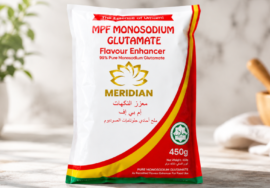
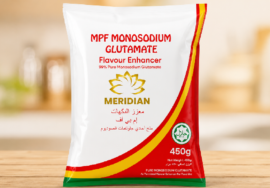
Many different manufacturers can produce food-grade monosodium glutamate. Commercial buyers should therefore evaluate MSG according to product specifications, purity, packaging, certification, regulatory compliance, supplier reliability and intended application rather than relying only on a familiar product name.
How to Choose MSG for Wholesale or Commercial Use
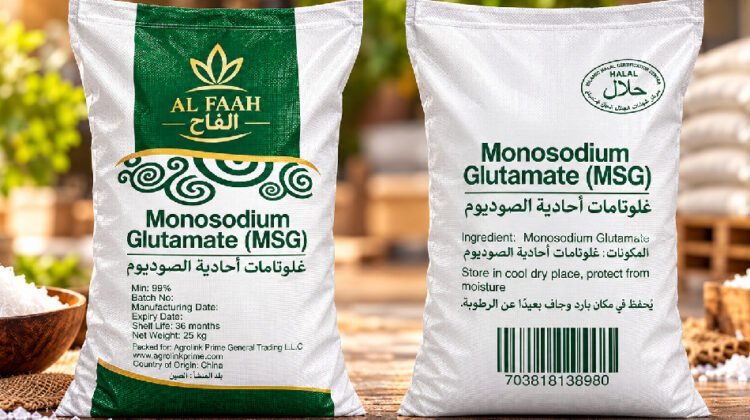
Businesses purchasing monosodium glutamate in bulk should consider more than price alone. Product specifications, food-grade documentation, country of origin, packaging integrity, batch traceability, shelf life and storage requirements are important factors when selecting an MSG supplier.
Restaurants and smaller food businesses may prefer convenient retail or food-service packs, while distributors, wholesalers and industrial users may require cartons or larger bulk packaging. Choosing the appropriate pack size can simplify inventory management and reduce unnecessary handling.
How Should Monosodium Glutamate Be Stored?
MSG should generally be stored in a cool, dry and clean environment and protected from moisture and contamination. Packages should remain properly sealed when the product is not being used. Commercial users should always follow the storage instructions printed on the specific product packaging and maintain appropriate food-storage practices.
Why Is MSG Popular in Global Cuisine?
The appeal of monosodium glutamate extends well beyond any single cuisine. Umami is a fundamental taste found naturally in foods consumed worldwide, which makes MSG relevant to a broad range of culinary traditions.
From soups and grilled foods to sauces, marinades, noodles and rice dishes, MSG can complement many savoury recipes when used appropriately. Its versatility is one reason monosodium glutamate remains an important ingredient for restaurants, catering companies and food manufacturers.
MSG Supply for the UAE Food Industry
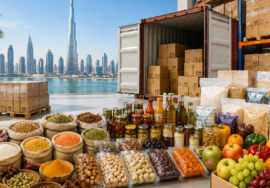
The UAE has a diverse food-service and trading sector serving restaurants, hotels, catering companies, supermarkets, wholesalers and food manufacturers. This creates demand for dependable supplies of seasonings and food ingredients, including food-grade monosodium glutamate.
For businesses sourcing MSG in Dubai or elsewhere in the UAE, important purchasing considerations include reliable stock availability, consistent specifications, competitive wholesale pricing, suitable packaging and dependable distribution. Professional sourcing becomes especially important for businesses purchasing MSG in cartons or bulk quantities.
Frequently Asked Questions About Ajinomoto Monosodium Glutamate
What does MSG stand for?
MSG stands for monosodium glutamate, the sodium salt of glutamic acid. It is primarily used as a flavour enhancer and is closely associated with the savoury taste known as umami.
Is Ajinomoto the same as MSG?
AJI-NO-MOTO is a branded MSG seasoning from the Ajinomoto Group. MSG itself is the generic food ingredient monosodium glutamate and can be produced by different manufacturers.
What does MSG taste like?
MSG provides umami, a savoury taste distinct from sweet, sour, salty and bitter. It is particularly effective when combined with foods that already contain savoury flavours.
Where is monosodium glutamate commonly used?
Monosodium glutamate can be used in soups, sauces, stocks, gravies, marinades, meat dishes, vegetable dishes, noodles, rice preparations, seasoning mixes and selected manufactured foods.
Can restaurants buy MSG in bulk?
Yes. Restaurants, catering companies, wholesalers, distributors and food manufacturers commonly purchase food-grade MSG in commercial quantities. Available packaging varies according to manufacturer and supplier.
Is MSG only used in Asian food?
No. Although MSG is strongly associated with several Asian cuisines, umami is found naturally in foods worldwide. Monosodium glutamate can therefore be used in many types of savoury cuisine when appropriate for the recipe.
Final Thoughts on Ajinomoto Monosodium Glutamate
Ajinomoto monosodium glutamate has helped make MSG and the concept of umami familiar to consumers and food professionals around the world. MSG is a versatile flavour enhancer that can strengthen savoury taste in everything from everyday cooking to large-scale restaurant, catering and food-manufacturing applications.
For commercial buyers, selecting high-quality food-grade monosodium glutamate requires attention to specifications, regulatory compliance, packaging, storage and supplier reliability. When used appropriately as part of a balanced recipe, MSG can be an effective ingredient for achieving consistent and satisfying umami flavour.