Best Olive Oil in UAE: A Complete Guide to Choosing Quality Olive Oil
Olive oil is one of the most popular cooking oils worldwide, appreciated for its rich flavor, versatility, and nutritional value. Whether you are preparing a fresh salad, cooking a family meal, or creating restaurant-quality dishes, choosing the best olive oil can make a noticeable difference in taste and cooking results.
In the United Arab Emirates, olive oil is widely used in homes, restaurants, hotels, and professional kitchens. With many brands, varieties, and packaging options available, understanding what makes olive oil high quality is essential for making an informed purchase.
At Arham Foodstuff, we believe that selecting quality food ingredients is an important part of creating delicious meals. This guide explains the different types of olive oil, their benefits, how to choose the right product, and the best ways to use olive oil in everyday cooking.
What Is Olive Oil?
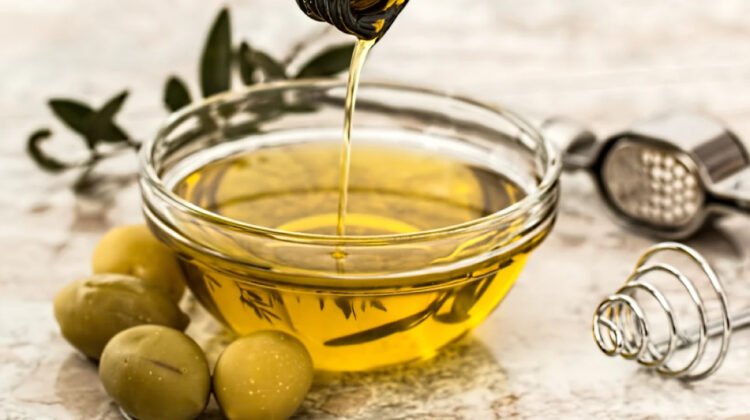
Olive oil is a natural vegetable oil obtained from the fruit of the olive tree, scientifically known as Olea europaea. It has been used for thousands of years in Mediterranean cuisine and is now a staple ingredient in kitchens across the world.
Unlike many refined vegetable oils, virgin olive oil is extracted using mechanical methods without chemical refining. Different processing methods, quality standards, and flavor characteristics determine how olive oil is classified.
High-quality olive oil contains primarily monounsaturated fats, particularly oleic acid. Virgin olive oils also contain naturally occurring compounds such as polyphenols, which contribute to their flavor and antioxidant properties.
Types of Olive Oil: Which One Is Best?
Understanding the main olive oil categories will help you select the best option for your cooking style, flavor preferences, and budget.
1. Extra Virgin Olive Oil
Extra virgin olive oil is the highest recognized grade of virgin olive oil. It is produced directly from olives through mechanical processes and must meet established chemical and sensory quality requirements.
Good extra virgin olive oil often has fresh, fruity, grassy, or peppery notes. Its flavor can range from delicate to robust, depending on the olive variety, growing conditions, and production process.
Extra virgin olive oil is particularly suitable for salads, dipping bread, dressings, marinades, vegetables, and finishing cooked dishes. It can also be used for many everyday cooking methods.
2. Virgin Olive Oil
Virgin olive oil is also extracted mechanically, but it may have a higher acidity level and different sensory characteristics compared with extra virgin olive oil. It remains a useful option for cooking and preparing a variety of meals.
3. Refined Olive Oil
Refined olive oil undergoes processing to reduce undesirable flavors and correct certain quality characteristics. It generally has a milder taste than virgin olive oils.
Products labeled simply as olive oil commonly contain a blend of refined olive oil and virgin olive oils. These products can be suitable for regular cooking when a less pronounced olive flavor is preferred.
4. Olive Pomace Oil
Olive pomace oil is produced from the remaining olive material after the initial oil extraction. The crude oil is refined, and edible olive pomace oil is typically blended with virgin olive oil before sale.
It is commonly selected for commercial food preparation and cooking applications where a neutral flavor and economical pricing are important.
How to Choose the Best Olive Oil in UAE
Finding the best olive oil in Dubai, Abu Dhabi, Sharjah, or other UAE markets involves more than selecting an attractive bottle. Several practical factors can help you identify a product that offers quality and value.
Check the Olive Oil Grade
Read the product label carefully to determine whether you are purchasing extra virgin olive oil, virgin olive oil, refined olive oil blends, or olive pomace oil. Each category has different characteristics and recommended uses.
Look for Harvest and Best-Before Information
Olive oil is best enjoyed when fresh and properly stored. When available, check the harvest date, bottling information, and best-before date. A recent harvest can be helpful, but correct storage and handling are equally important.
Consider the Country of Origin
Olive oil is produced in several countries, including Spain, Italy, Greece, Tunisia, Turkey, and Portugal. Each region offers different olive varieties and flavor profiles.
However, country of origin alone does not determine quality. Production standards, olive freshness, processing, and storage all influence the finished product.
Choose Suitable Packaging
Dark glass bottles, tins, and other protective packaging can help reduce exposure to light. For households and commercial kitchens, choosing the right container size can also minimize unnecessary storage time after opening.
Evaluate Aroma and Flavor
Fresh extra virgin olive oil may have fruity, herbal, grassy, bitter, or peppery characteristics. These qualities can be positive signs of a well-produced oil.
An unpleasant rancid, stale, or waxy smell may indicate that the oil has deteriorated. Flavor preferences vary, so choose an oil that complements your favorite dishes.
Health Benefits of Olive Oil
Olive oil is widely recognized as an important component of the Mediterranean dietary pattern. Its nutritional composition makes it a useful choice when incorporated into a balanced diet.
Supports Heart-Healthy Eating
Olive oil is rich in monounsaturated fats. Replacing foods high in saturated fats with sources of unsaturated fats can help improve blood cholesterol levels and support cardiovascular health.
Contains Antioxidant Compounds
Extra virgin olive oil naturally contains phenolic compounds and vitamin E. These compounds contribute to antioxidant activity, although their concentrations vary between products.
Fits Into a Balanced Diet
Olive oil can be used with vegetables, whole grains, legumes, fish, and other nutritious ingredients. It provides dietary fat that helps the body absorb fat-soluble vitamins from meals.
Offers a Versatile Alternative to Other Fats
Replacing some butter or other saturated-fat-rich cooking ingredients with olive oil can be a practical dietary improvement. However, olive oil remains calorie-dense, so portion size is important.
Olive oil is not a medicine or a guaranteed treatment for any health condition. Its benefits are best understood in the context of overall dietary habits and lifestyle.
Best Olive Oil for Cooking, Frying, and Salads
Different cooking methods benefit from different olive oil characteristics. Choosing the right variety helps balance flavor, performance, and cost.
Best Olive Oil for Salads
Extra virgin olive oil is an excellent choice for fresh salads because its natural aroma and flavor remain noticeable without cooking. It pairs well with lemon juice, vinegar, herbs, tomatoes, cucumbers, and leafy greens.
Best Olive Oil for Everyday Cooking
Both extra virgin olive oil and regular olive oil can be used for sautéing vegetables, preparing sauces, cooking eggs, and making everyday meals. Select extra virgin olive oil when its distinctive flavor is desirable.
Best Olive Oil for Frying
Olive oil can be used for frying at suitable temperatures. Refined olive oil blends are often chosen for higher-temperature cooking because of their milder flavor and generally higher smoke points.
Temperature control is important regardless of the oil selected. Avoid overheating oil until it smokes, and follow appropriate food safety practices when frying.
Best Olive Oil for Mediterranean Dishes
Extra virgin olive oil is especially popular in Mediterranean recipes, including hummus, grilled vegetables, roasted potatoes, pasta, and traditional salad dressings.
Olive Oil in UAE Homes and Commercial Kitchens
Olive oil is used throughout the UAE in a wide range of cuisines. Its versatility makes it valuable for household consumers as well as restaurants, catering companies, hotels, and foodservice operators.
Households may prefer smaller bottles for freshness and convenience, while commercial kitchens often require larger packaging to support regular cooking operations.
For wholesale olive oil buyers, consistent quality, reliable supply, suitable packaging, clear labeling, and competitive pricing are important purchasing considerations.
Businesses should also consider product specifications, shelf life, supplier documentation, and storage requirements when evaluating bulk olive oil purchases.
How to Store Olive Oil Properly in the UAE Climate
The UAE’s warm climate makes correct olive oil storage especially important. Heat, light, and oxygen can accelerate oxidation and gradually reduce the oil’s freshness and flavor.
Keep Olive Oil Away From Heat
Store olive oil in a cool location away from direct sunlight, ovens, and other heat sources. Avoid leaving bottles inside vehicles or near hot kitchen equipment.
Use Tightly Sealed Containers
Close the cap securely after each use. Limiting exposure to air helps protect the oil against oxidation.
Choose the Right Bottle Size
Purchase quantities that match your expected consumption. A smaller bottle may be more practical for occasional use, while larger containers can be suitable for busy households and commercial kitchens.
Follow Storage Instructions
Always follow the manufacturer’s recommendations and check the best-before date. Properly stored olive oil maintains its quality better than oil exposed to excessive heat or sunlight.
Common Mistakes to Avoid When Buying Olive Oil
Consumers sometimes assume that every olive oil product offers the same quality and cooking performance. Understanding common buying mistakes can help you make a better decision.
Choosing Only by Price
The cheapest product is not always the best value. Consider the grade, packaging, freshness, intended use, and supplier reliability alongside the price.
Assuming Color Determines Quality
Olive oil may appear golden yellow or green depending on the olive variety and production conditions. Color alone is not a reliable indicator of freshness or quality.
Ignoring the Product Label
Terms such as pure, light, and extra virgin can describe different products. Read the actual oil classification and ingredients rather than relying only on marketing language.
Buying Excessive Quantities
Purchasing a very large container may not be economical if the oil remains unused for an extended period. Choose packaging that suits your consumption needs.
Why Olive Oil Quality Matters for Restaurants and Food Businesses
Restaurants and foodservice businesses rely on consistent ingredients to maintain customer satisfaction. Olive oil quality can influence the aroma, taste, appearance, and overall consistency of prepared dishes.
For restaurants specializing in Mediterranean, Arabic, Turkish, Italian, or international cuisine, selecting an appropriate olive oil can contribute to a better dining experience.
Professional buyers should evaluate suppliers based on product authenticity, documented specifications, dependable delivery, and the ability to provide consistent quality across orders.
Choosing the right oil for each application can also support better cost management without unnecessarily compromising food quality.
Where to Find Olive Oil in Dubai and Across the UAE
Olive oil is available through supermarkets, grocery stores, specialty food retailers, wholesalers, and foodstuff trading businesses throughout the United Arab Emirates.
When purchasing olive oil in Dubai or other emirates, compare product grades, available packaging sizes, labeling information, and supplier conditions before placing an order.
For businesses seeking wholesale olive oil in UAE markets, working with an established foodstuff supplier can help simplify product sourcing and purchasing requirements.
Visit Arham Foodstuff at https://arhamfoodstuff.com/ to explore foodstuff-related information and make inquiries about product availability and sourcing options.
Frequently Asked Questions About Olive Oil
Which Is the Best Olive Oil for Daily Use?
Extra virgin olive oil is a versatile option for daily use, particularly for salads, dressings, and moderate-temperature cooking. Regular olive oil blends may be preferred when a milder flavor is required.
Is Extra Virgin Olive Oil Better Than Regular Olive Oil?
Extra virgin olive oil generally retains more natural flavor and phenolic compounds because it is not refined. Regular olive oil blends can still be useful for everyday cooking, depending on personal preferences and cooking requirements.
Can I Use Olive Oil for Indian and Pakistani Cooking?
Yes. Olive oil can be used for preparing vegetables, curries, grilled dishes, and many other Indian and Pakistani recipes. A mild olive oil may be preferable when you do not want a strong olive flavor.
Is Olive Oil Suitable for High-Temperature Cooking?
Olive oil can be suitable for various cooking temperatures, depending on the product and cooking method. Avoid allowing oil to smoke excessively and use appropriate temperature control.
How Long Does Olive Oil Last After Opening?
Freshness depends on packaging, storage conditions, and the oil’s initial quality. For the best flavor, use opened olive oil within a reasonable period, often a few months, and follow the manufacturer’s instructions.
What Is the Best Olive Oil Packaging for Restaurants?
Restaurants often prefer larger tins or foodservice containers because they use olive oil regularly. The ideal size depends on consumption volume, storage facilities, and the required oil grade.
Where Can I Buy Olive Oil in UAE?
Consumers and businesses can find olive oil through supermarkets, food wholesalers, and established foodstuff trading suppliers in Dubai, Abu Dhabi, Sharjah, and other emirates. Always verify the grade, product details, and supplier availability before purchasing.
Final Thoughts: Choosing the Best Olive Oil for Your Needs
The best olive oil is one that combines genuine quality, freshness, suitable flavor, and the right characteristics for your intended use. Extra virgin olive oil is an excellent choice when natural flavor is important, while regular olive oil blends can provide practical versatility for everyday cooking.
Whether you are shopping for your household or sourcing olive oil for a restaurant, supermarket, or catering operation, understanding the different olive oil categories will help you make a more confident purchasing decision.
For more information about foodstuff products and sourcing in the United Arab Emirates, visit Arham Foodstuff at https://arhamfoodstuff.com/.